

A cleared, light-filled room is what a buyer sees first.
Selling a home isn’t just about photographs, repairs, and a listing description; it’s also about creating enough visual calm for someone else to imagine living there. Decluttering before selling helps buyers see the home—not the belongings—and can make listing photos, showings, packing, and the eventual move easier to manage. That’s where professional decluttering and organizing services can make the process feel lighter, clearer, and more manageable.
This doesn’t mean erasing the life you’ve built there or making your home look empty. It means gently editing what’s visible, what’s stored, and what needs to move on, so the home can be seen more easily while you begin preparing for the next chapter.
In Naples, this can be especially helpful for seasonal residents, second-home owners, families preparing for downsizing, and homeowners who have been away while a property has quietly accumulated belongings. A listing may sit for a while, and during that time, the home needs to remain reasonably ready for photographs, showings, and last-minute visits without creating constant stress for you.
Why Should You Declutter Before Selling Your Home?
When a room contains more furniture, accessories, clothing, or everyday items than the space can comfortably hold, the eye has to work harder. Instead of noticing the natural light, the layout, the storage, or the relationship between rooms, a visitor may notice the surfaces and belongings first.
Decluttering can help a home feel:
- Easier to walk through
- More open and functional
- Brighter and calmer
- Less visually distracting
- Simpler for a potential buyer to imagine as their own
Listing photographs also capture details that may feel ordinary to you but become prominent on a screen: a crowded countertop, a full closet rod, a stack of packages, a collection of personal photographs, or a chair that blocks part of a room.
This isn’t a criticism of your home. It’s simply a different way of seeing it. You’re used to the belongings because they belong to your daily life. A buyer is encountering the space for the first time, often through a series of still images.
What Should You Declutter Before Listing Your Home?
When deciding what to clear before listing, begin with the rooms that will appear in the first set of photographs and the areas buyers are most likely to notice during a showing. Your real estate professional may have specific suggestions, but the following is a thoughtful starting point.
Entryways And Living Areas
The entry creates an immediate sense of the home. Clear away extra shoes, bags, mail, packages, umbrellas, pet supplies, and furniture that narrows the walkway. In living and family rooms, consider removing:
- Excess pillows and blankets
- Overflowing baskets
- Extra side tables or occasional chairs
- Visible cords and charging stations
- Collections of small decorative items
- Toys and hobby materials
- Personal photographs and highly specific memorabilia
You don’t need to remove every meaningful object. A few pieces that feel intentional can help a room remain warm without competing with its shape and function.
Kitchen And Dining Areas
Kitchens often become the natural gathering point of a home, which also means they collect a great deal of everyday life. For photos and showings, clear as much of the countertop as feels reasonable, leaving only a small number of useful or attractive items.
Look at:
- Small appliances that aren’t used daily
- Dish racks and piles of dishes
- Mail, paperwork, and grocery bags
- Excessive magnets and notes on the refrigerator
- Food stored on top of cabinets
- Duplicate cookware and serving pieces
- Expired pantry items
- Crowded drawers and cabinets
Buyers may open cabinets, closets, and drawers, so putting everything into one already-full cupboard usually creates another problem. Instead, edit what you no longer need, group what remains, and give each category a clear place.
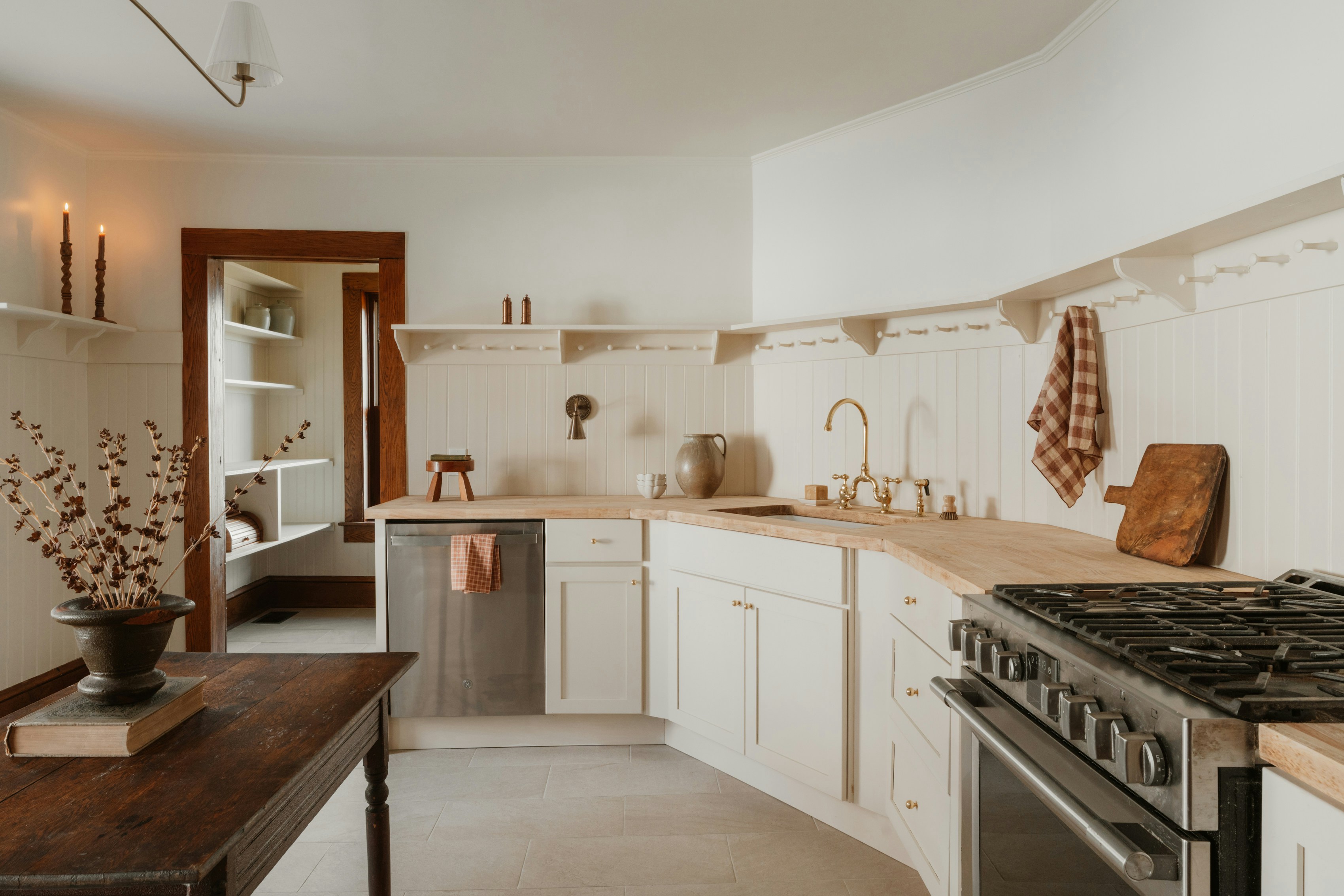
A counter with only what you use daily lets a buyer notice the space itself.
Bedrooms And Closets
Bedrooms show best when they feel restful, and closets show best when the available storage is easy to understand. Remove clothing that no longer fits your current life, out-of-season items, worn linens, and anything you already know you won’t take with you.
You might also clear:
- Items from nightstands and dressers
- Exercise equipment that has become storage
- Extra furniture
- Overflowing laundry
- Unused hangers
- Bags and shoes from the closet floor
- Personal documents and medication from view
A closet doesn’t need to be perfectly styled. It simply needs to be accessible enough that someone can see the shelving, floor, hanging space, and overall proportions.
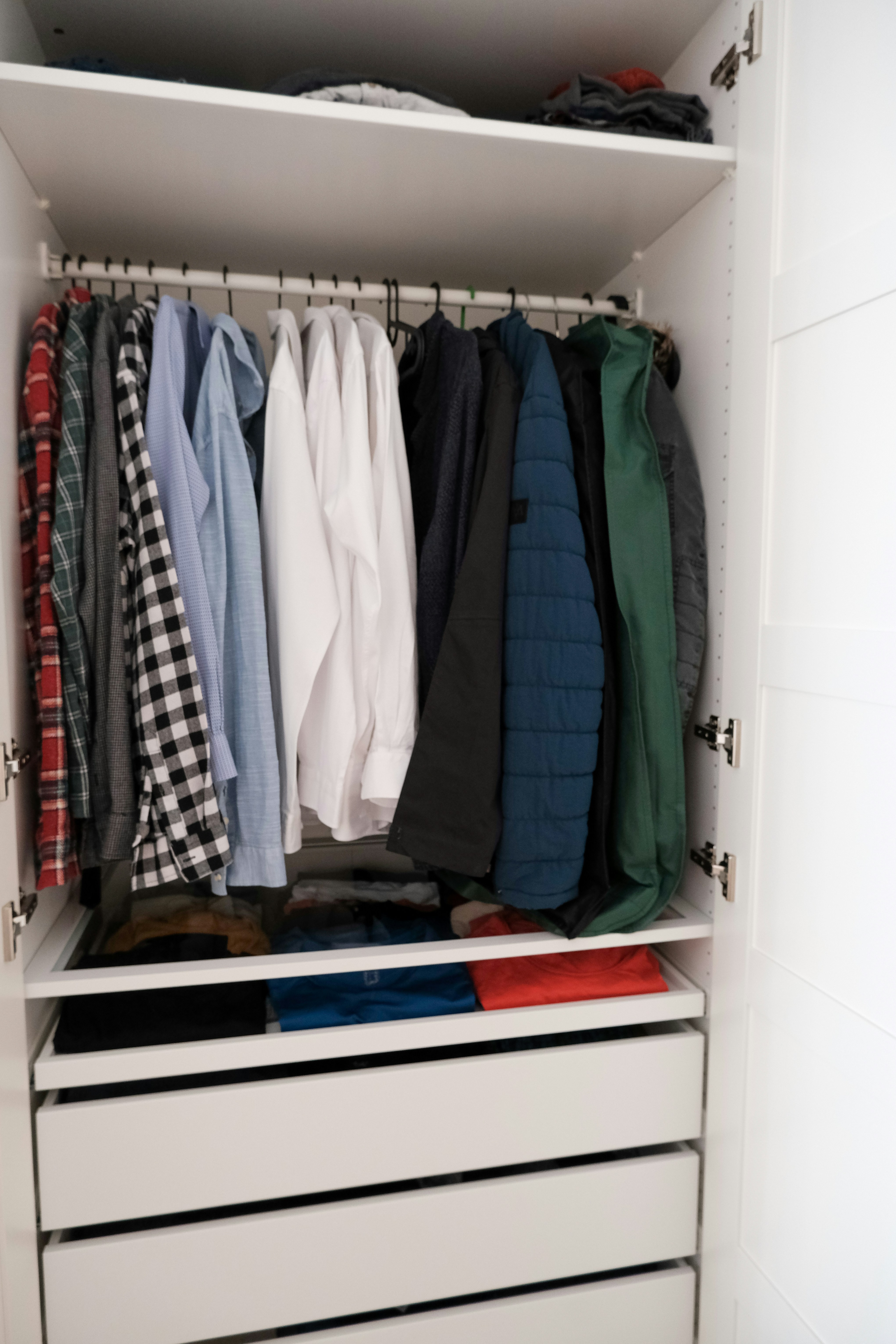
Showing storage proportions and available space.
Bathrooms, Garages, And Storage Areas
Bathrooms benefit from a quiet, nearly clear look. Put away toiletries, cleaning products, grooming tools, medications, and extra towels, leaving surfaces fresh and simple.
Garages, utility rooms, lanais, sheds, and storage closets deserve attention too. These areas can strongly influence how a buyer understands the home’s functionality. Clear away broken equipment, excess holiday décor, unused beach items, duplicate tools, and boxes that have not been opened in years.
In a Naples home, that may include beach chairs, pool accessories, hurricane supplies, golf equipment, seasonal decorations, and belongings from a second home. Keep what serves your current plans, store what you genuinely need, and give yourself permission to release what has become more obligation than usefulness.
What Happens To Everything Once It’s Out?

Donations that actually leave the house once they’re sorted.
This is the part that often stops people from beginning. Clearing a room is one task; deciding where everything should go is another.
A simple sorting process can help:
- Keep: Items you’ll use, move, or need during the sale
- Store: Belongings you want to keep but don’t need visible
- Donate: Clean, usable items that could benefit someone else
- Sell: Items you’re willing to manage through resale or consignment
- Recycle or discard: Broken, expired, damaged, or unusable items
The important thing is to create an exit plan as you sort. Donation bags that remain in the garage for weeks are still part of the visual and emotional clutter. If you’re donating, confirm what the organization accepts, arrange a drop-off or pickup when available, and keep items clean and contained.
At Tidying Naples, donation coordination can be part of a larger organizing, decluttering, or home cleanout project for Naples-area homeowners. During your consultation, we’ll discuss what you want to keep, what can be donated, what requires special handling, and which items should remain in the home until your realtor advises otherwise. We can help group and prepare appropriate donations and coordinate next steps with you, while any organization-specific acceptance rules and pickup availability are confirmed in advance.
For larger projects, a cleanout may include sorting household goods, clearing storage spaces, gathering donations, separating items for family members, and identifying what needs removal through an appropriate disposal provider. If you’d like to see how the process works, we’re happy to walk you through what support can look like. An estate cleanout may require even more sensitivity, especially when belongings carry family history or when several people need to participate in decisions. Our approach is never to rush those choices or treat meaningful possessions like obstacles.
Make The Process Feel Manageable
You don’t have to declutter the entire home in one exhausting weekend. Start with the rooms that will be photographed, then move through closets and storage areas with a clear plan. A realtor can help you understand what will matter most for the listing, while an organizer can help turn that advice into practical next steps.
The goal is not perfection. The goal is relief: fewer decisions waiting for you, clearer rooms, simpler showings, and a home that feels ready for what comes next.
A Tidying Naples Tip
Don't wait until you're packing to decide what isn't moving with you. Every item you release before listing is one less thing to pack, move, unpack, and find a home for later.
Frequently Asked Questions
How much should I declutter before selling my home?
You do not need to strip your home of personality to prepare it for sale. The goal is to reduce visual distraction, clear storage areas enough to show their function, and make each room feel easier to understand at a glance.
Should I declutter before the listing photos are taken?
Yes, it helps to declutter before photos whenever possible. Listing images are often the first way a buyer experiences your home, so creating calm, open surfaces and clear pathways can help the space read more naturally.
What should I do with items I don't want to move?
A simple sorting plan can make this much easier: keep, store, donate, sell, recycle, or discard. If you have a larger project ahead, our home cleanouts support can help you create an exit plan that feels manageable and thoughtful.
Can a professional organizer help me prepare my home for sale?
Absolutely. An organizer can help you decide what to clear first, create a workable sorting process, and support you room by room so the home feels more ready for photos, showings, and the move ahead without adding pressure.
If you’re preparing a home for sale in Naples, explore our services, or schedule a consultation to talk through the home, the timing, and the kind of support that would feel most helpful. We’ll meet you where you are, handle your belongings with care, and help create a calmer path forward.